8 WhatsApp Bulk Message Sender Solutions for Automated Engagement
You're comparing WhatsApp bulk senders because your team needs more than a broadcast button, but every platform claims to be the best. The real difference shows up in API access, multi-channel reach, and automation depth. This article breaks down eight solutions, including Com.bot, Wati, and Twilio, against the criteria that actually matter for engagement.
By the end, you'll have a clear ranking, a specific #1 pick, and a practical framework for choosing between SMB tools and enterprise platforms. You'll also know how to scale from a single channel to a unified inbox across WhatsApp, Messenger, Instagram, and your website.
What to Look For in WhatsApp Bulk Message Sender Solutions
Choosing the right WhatsApp bulk message sender hinges on a few non-negotiable features that directly impact your deliverability, compliance, and engagement rates. The most critical decision is whether the tool uses the official WhatsApp Business API or relies on unofficial automation tricks.
Unofficial solutions often bypass WhatsApp's terms of service. They risk sudden phone number bans and permanent account loss, which can destroy your contact list and reputation overnight. Always prioritize platforms built on the official API, even if they cost more.
Compliance is equally important. Legitimate tools enforce opt-in consent rules and require pre-approved message templates for marketing broadcasts. This keeps your account safe and ensures your messages land in the primary inbox rather than getting flagged by spam filters.
Beyond compliance, evaluate the engagement features. Look for support for rich media messages like images, videos, and PDFs, plus interactive buttons and quick replies that make it easy for customers to respond. These elements directly boost your reply rate and make your broadcasts feel less like spam.
Automation capabilities matter for scale. A built-in chatbot can handle basic inquiries, while drip campaigns nurture leads over time. Message scheduling and A/B testing tools let you refine your approach without manual effort.
Data integration is the backbone of a serious setup. Verify that the solution offers CRM integration and API webhooks so customer interactions flow naturally into your existing systems. This is essential for tracking the full user journey from first contact to conversion.
Scalability is often overlooked. Check the WhatsApp rate limits the provider supports and whether it handles phone number validation to keep your list clean. A tool that works for 500 contacts may struggle with 50,000.
Finally, prioritize robust reporting. You need clear visibility into delivery rate, open rate, and reply rate to measure what works. Choose features that match your specific use case, whether that is order notifications for ecommerce, appointment reminders for services, or customer support automation for high-volume teams.
1. Com.bot - Best Overall
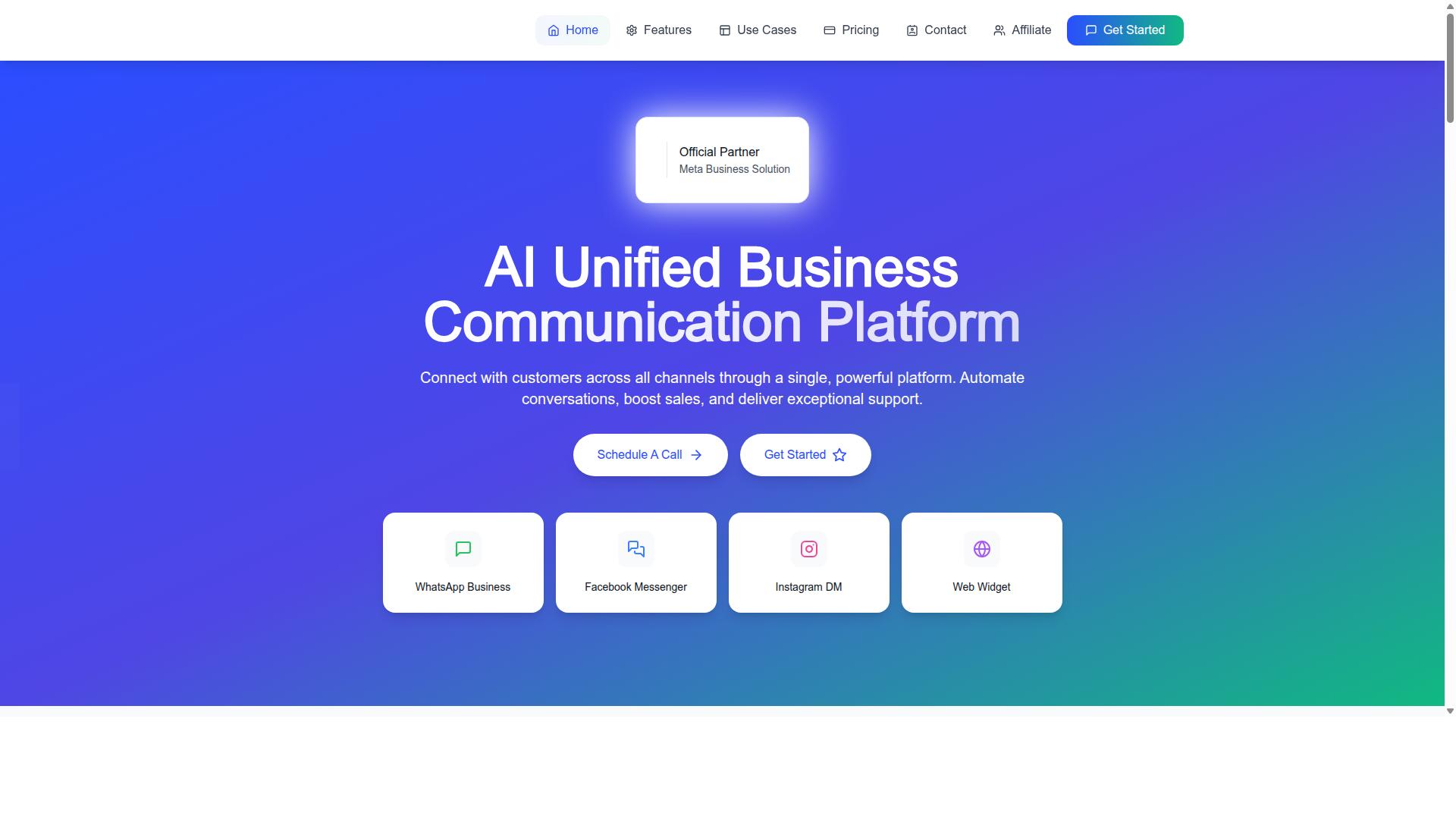
Com.bot stands out as the best overall WhatsApp bulk message sender, thanks to its official Meta partnership and unified multi-channel platform that handles 25M+ messages daily. This scale is backed by 23,000+ active customers, 100+ government bodies, and 500+ global partners who trust the platform for automated engagement.
The platform combines WhatsApp, Facebook, and Instagram messaging with a web widget, all managed from a single dashboard. Its drag-and-drop visual bot builder lets you create automation flows without writing a single line of code. Native payments for WhatsApp transactions mean you can collect money directly inside the conversation.
For bulk messaging, Com.bot delivers message templates, drip campaigns, broadcast lists, personalization, and segmentation as core features. Enterprise security with end-to-end encryption keeps every conversation protected, which matters for regulated industries and government use cases.
Unified Multi-Channel Bulk Messaging with Official Meta Partnership
Com.bot's official Meta partnership ensures high deliverability and compliance, while its unified inbox lets you manage WhatsApp, Facebook, and Instagram messages from one dashboard. This partnership status means your bulk messages face lower spam filter risk and better delivery rates compared to unofficial tools.
Running campaigns across three major channels from a single interface streamlines your workflow significantly. You build one automation, then deploy it across WhatsApp, Facebook Messenger, and Instagram DM without duplicating effort. The visual bot builder with drag-and-drop controls handles the heavy lifting, while rich media, interactive buttons, and quick replies keep conversations engaging.
The platform's scale speaks for itself: 25M+ messages processed daily and 100K+ bots created by its customer base. For businesses that need to automate and scale communication, this proven capacity removes the guesswork around performance under load.
Com.bot also supports 1000+ integrations through its automation builder, connecting your messaging to your existing CRM, helpdesk, or e-commerce tools. The unified team inbox with role-based access ensures your support and marketing teams collaborate without stepping on each other's work.
2. Wati
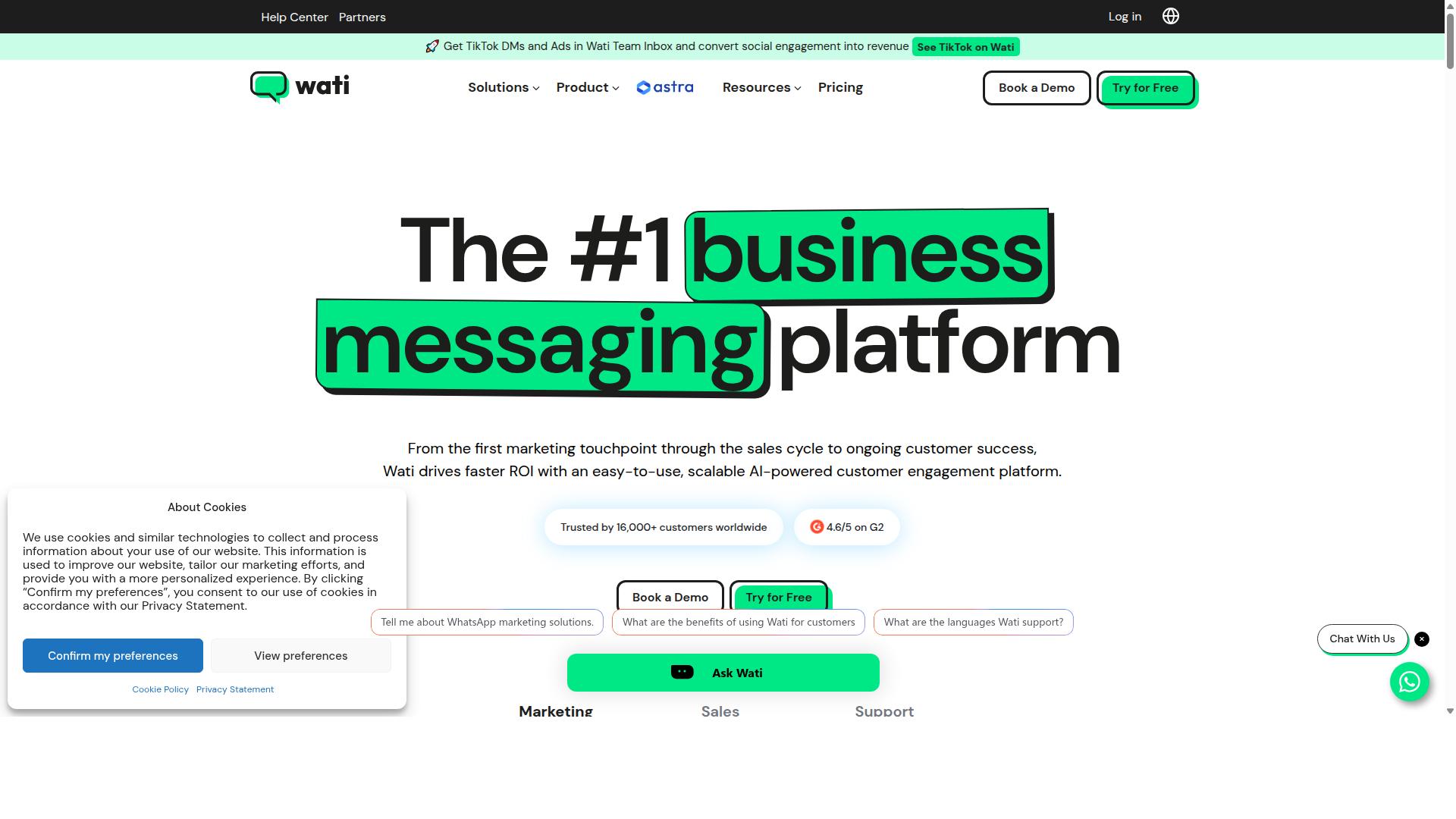
Wati is a solid WhatsApp Business API provider known for its user-friendly interface and strong automation features, but it lacks the multi-channel scope of Com.bot. The platform focuses exclusively on WhatsApp, which makes it easy to learn but limits your ability to manage other messaging channels from one place.
Wati excels at making bulk messaging approachable for small teams. The setup process is straightforward, and the chatbot builder lets you create automated conversations without writing code. For businesses that want to send broadcasts to large contact lists, Wati provides campaign scheduling and message templates that help you stay compliant with WhatsApp policies.
A shared team inbox is another standout feature. Your support agents can handle incoming conversations together, assign chats, and respond faster without switching between personal phones. This makes Wati a practical choice for sales, marketing, and customer support teams that live inside WhatsApp all day.
Pricing starts around $49 to $69 per month, with different tiers based on team size and feature needs. That entry point is reasonable for small and medium businesses, though costs can climb as your contact list grows and you need more advanced automation capabilities.
There are some limitations worth noting. Wati is WhatsApp-only, so you will not get native Facebook or Instagram messaging in the same dashboard. Some users also report that email support on the pro plan can be slow, which matters if you run into deliverability issues or need urgent help with a campaign.
Wati is a WhatsApp Business API provider, but deliverability is not guaranteed across all regions. Message delivery rates depend on your contact quality, opt-in consent, and compliance with WhatsApp policies. Even official Meta partners can face spam filters if your broadcast lists contain stale or unverified numbers.
For small and medium businesses that want a simple, focused WhatsApp marketing tool, Wati delivers solid value. However, enterprises with complex multi-channel engagement needs may find the single-channel focus limiting. If you need to coordinate WhatsApp alongside other messaging apps, a broader platform will serve you better in the long run.
3. Twilio
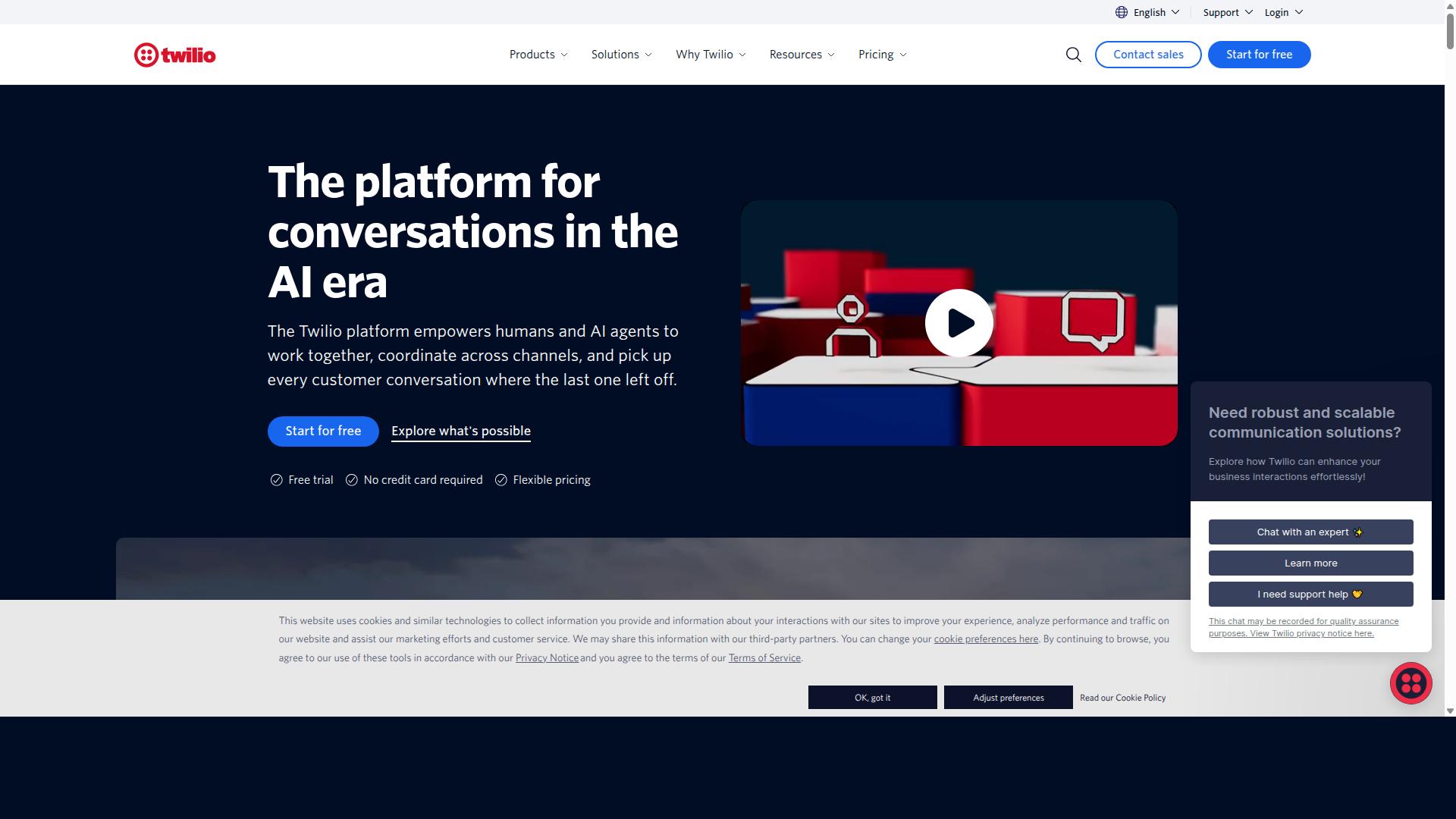
Twilio offers a developer-first WhatsApp API that gives you ultimate control, but it requires significant coding expertise to build and maintain campaigns. This is a raw infrastructure play, not a plug-and-play marketing tool. You get granular control over message templates, session management, and rate limits, which is powerful for teams that know exactly what they want to build.
The platform shines through its robust documentation and webhooks for CRM integration. Developers can wire Twilio directly into existing internal systems, creating custom workflows that fit specific operational needs. For enterprises with in-house dev teams, this level of flexibility is a major advantage over consumer-grade tools.
However, this solution is not for non-technical users. There is no visual interface for designing campaigns, and every aspect of the messaging flow requires code. Pricing is usage-based and can get complex, making it difficult to predict monthly costs without careful monitoring of API calls and message volumes.
While Twilio provides official API access and high automation potential, it lacks out-of-the-box features like visual bot builders or multi-channel dashboards. Teams must assemble those components themselves. If your focus is on bulk messaging and automated engagement with minimal setup friction, a purpose-built message sender platform typically delivers faster results than building from scratch on Twilio.
4. Brevo
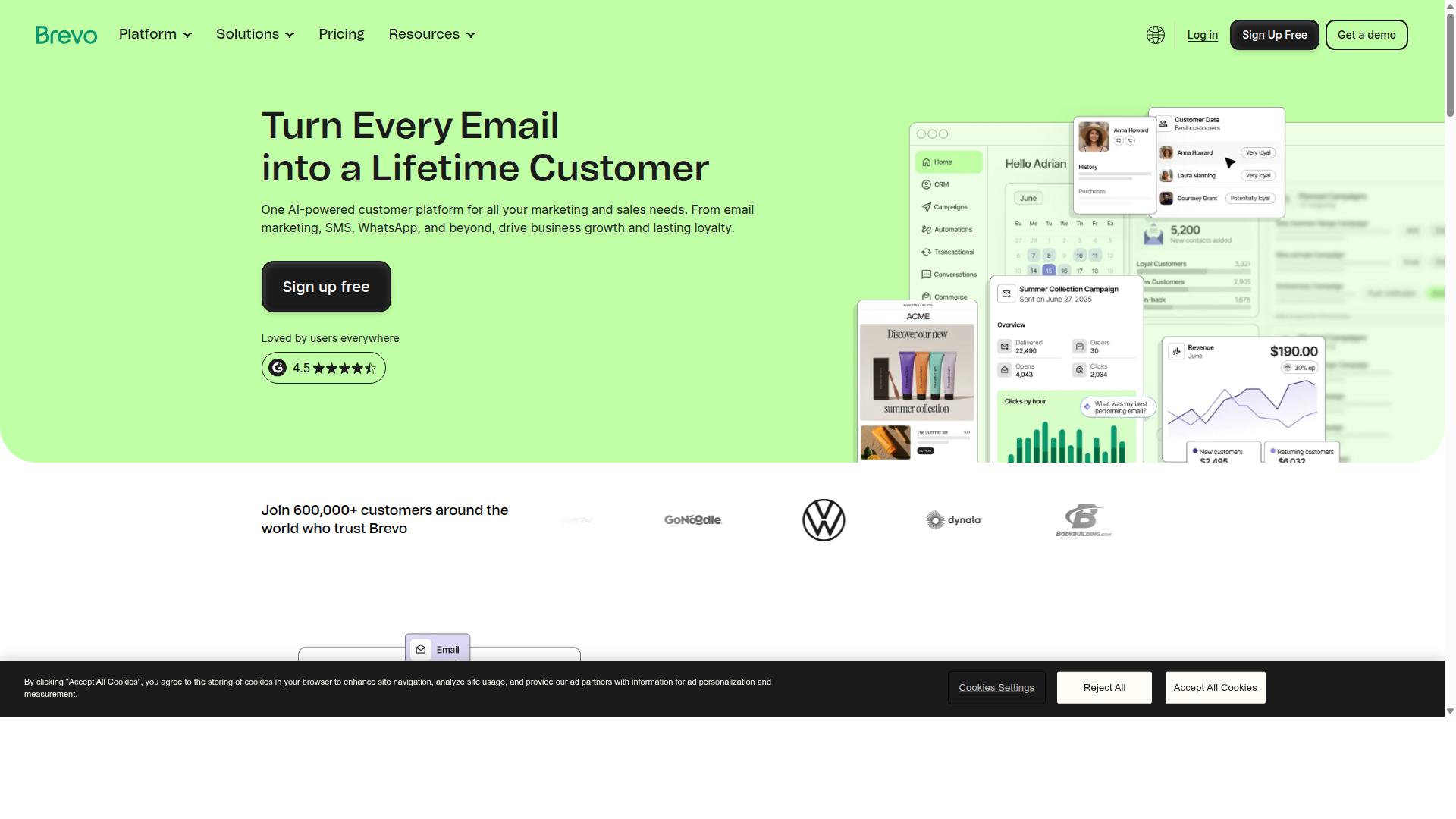
Brevo (formerly Sendinblue) is a multi-channel marketing platform that includes WhatsApp, but its bulk messaging features are more limited compared to dedicated WhatsApp solutions. It works well for teams that already rely on email campaigns and want to add WhatsApp without switching platforms.
The platform shines with its built-in CRM and email marketing automation. Marketing teams can manage contacts, send newsletters, and run WhatsApp campaigns from one dashboard, which keeps workflows simple.
Brevo offers official API access and CRM integration, making it a practical choice for small and growing businesses. Its automation level is high, and the interface is easy to navigate, even for teams without deep technical expertise.
However, WhatsApp-specific capabilities are not its core strength. Users may find fewer options for rich media messages, interactive buttons, or advanced message templates compared to tools built exclusively for WhatsApp marketing.
For small businesses seeking an all-in-one marketing hub, Brevo is a solid option. Just be aware that if your strategy depends heavily on advanced WhatsApp engagement features, a specialized bulk messaging tool may serve you better.
5. AiSensy
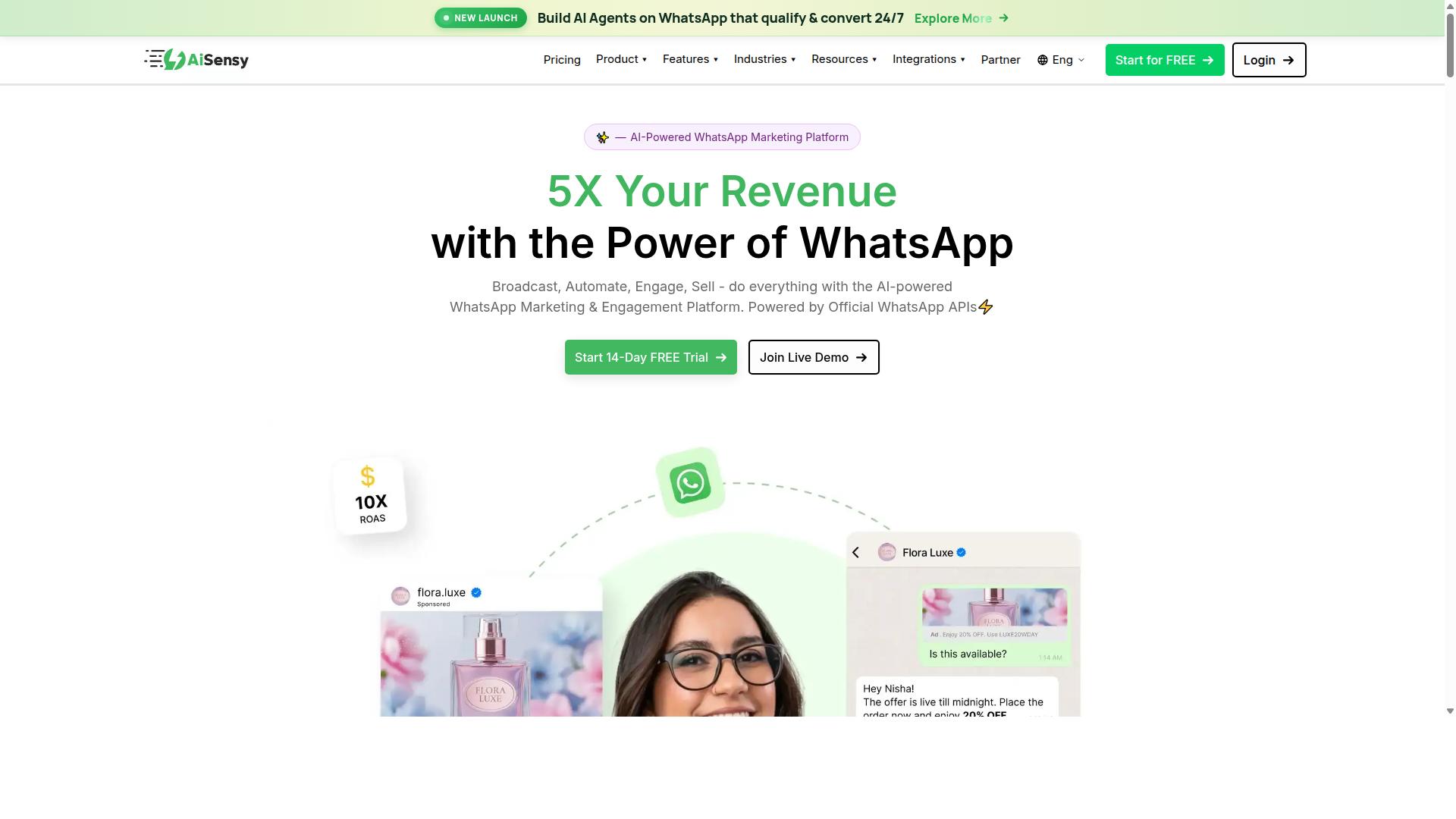
AiSensy is a WhatsApp Business API provider that focuses on easy bulk messaging and automation, but it lacks the multi-channel reach of Com.bot. The platform is designed for small businesses and startups that want a straightforward way to send WhatsApp marketing campaigns without a steep learning curve.
Its core toolkit includes broadcast lists for sending bulk messages, drip campaigns for scheduled follow-ups, and a simple chatbot builder for basic automated replies. This makes it a solid entry point for teams that are just beginning their WhatsApp automation journey.
Pricing is competitive for SMBs, which helps keep the barrier to entry low. However, the tool is WhatsApp-only, so you will need separate solutions if you want to manage other messaging channels from one dashboard.
There are also potential deliverability concerns to keep in mind. Because the platform focuses heavily on broadcast volume, you need to be careful with opt-in consent and message templates to avoid spam filters and maintain a healthy delivery rate.
For businesses that want a simple, affordable way to test WhatsApp bulk messaging, AiSensy is worth considering. It handles the basics well, but growing teams may eventually need a more comprehensive platform that supports multiple channels and deeper CRM integration.
6. Bird (MessageBird)
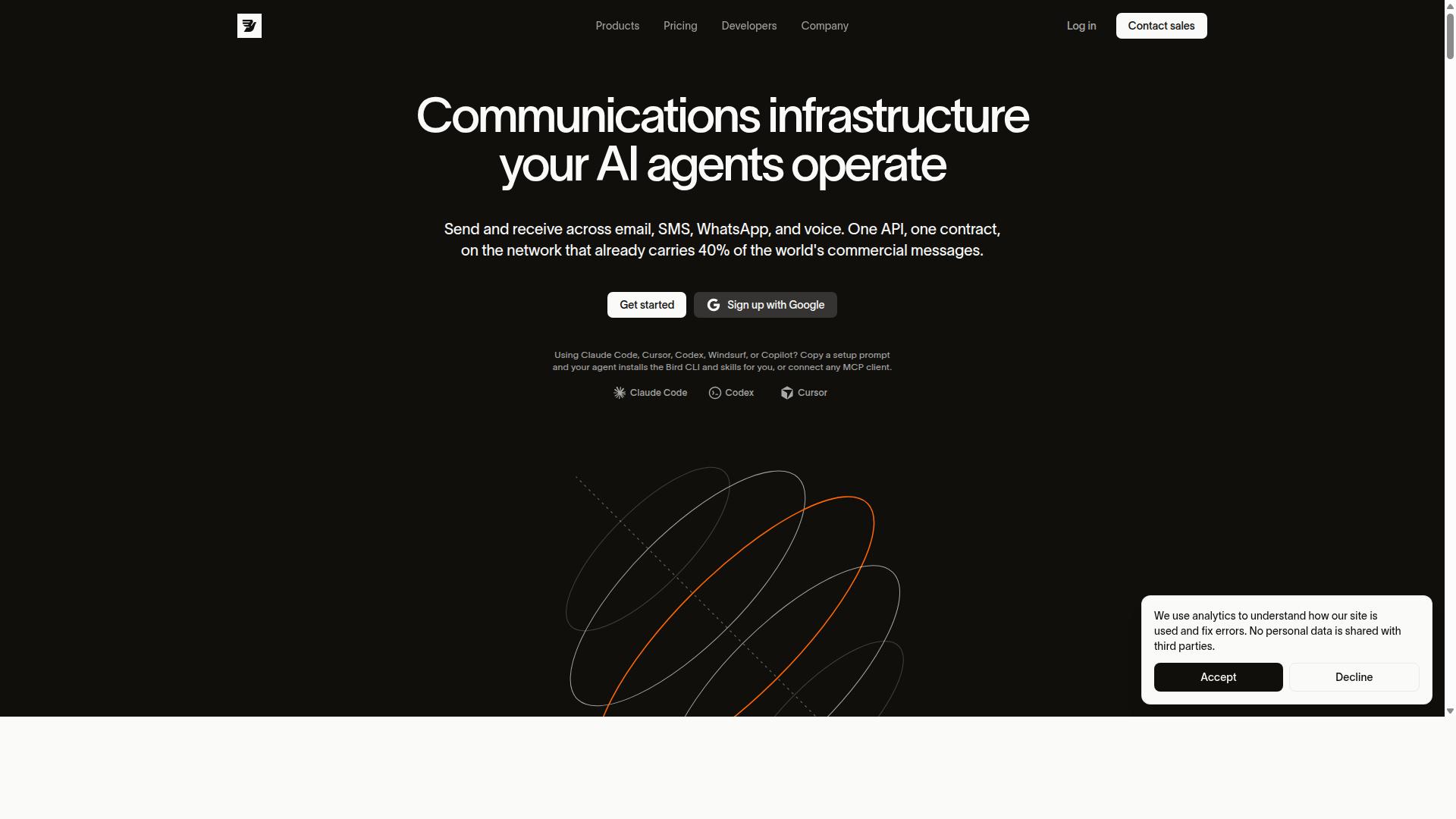
Bird (formerly MessageBird) offers a robust omnichannel platform that includes WhatsApp, but its complexity may be overkill for simple bulk messaging needs. The platform is best suited for large enterprises managing global customer communications across multiple touchpoints.
Bird provides official API access and CRM integration, making it a strong choice for teams that already operate at scale. Its strength lies in connecting WhatsApp with other channels like SMS and email within a single workflow.
However, the platform has a steeper learning curve than simpler message sender tools. Teams need technical resources to configure the API properly, and the usage-based pricing can become expensive as message volume grows.
For enterprises with dedicated developer support and complex omnichannel requirements, Bird is a credible option. For smaller teams focused purely on WhatsApp bulk messaging, a more specialized tool often delivers faster results with less overhead.
7. 360Dialog
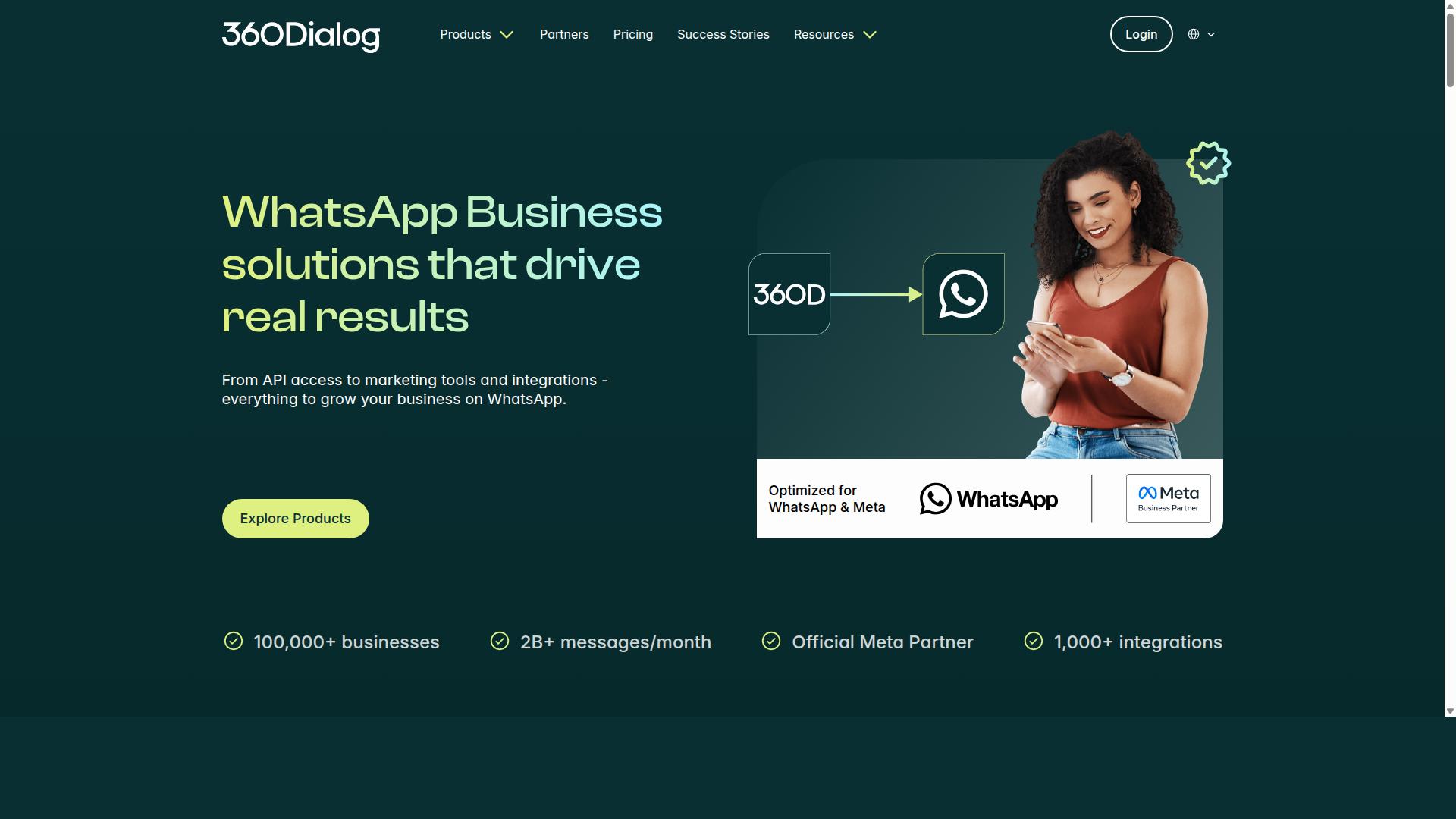
360Dialog is a WhatsApp Business API provider that offers a straightforward gateway, but it requires integration with other tools for full campaign management. As a Business Solution Provider (BSP), it gives you direct access to the official WhatsApp API without the complexity of becoming a Meta partner yourself.
Businesses focused primarily on WhatsApp marketing will find 360Dialog particularly useful. The platform handles message delivery and API connectivity reliably, which makes it a solid foundation for bulk messaging operations that need official API access.
However, 360Dialog does not include built-in automation or CRM features. You will need to build your own solution on top of it, which means handling message templates, opt-in consent management, and user journeys through your existing systems.
This setup works best for developers and businesses with established tech stacks. If your team already has a CRM or marketing platform, connecting it to 360Dialog gives you a dependable channel for WhatsApp marketing campaigns without learning a new interface.
For automated engagement like drip campaigns or abandoned cart recovery, you would need to configure those workflows yourself. The tradeoff is clear: you sacrifice convenience for control, and the result depends heavily on your development resources.
8. DoubleTick
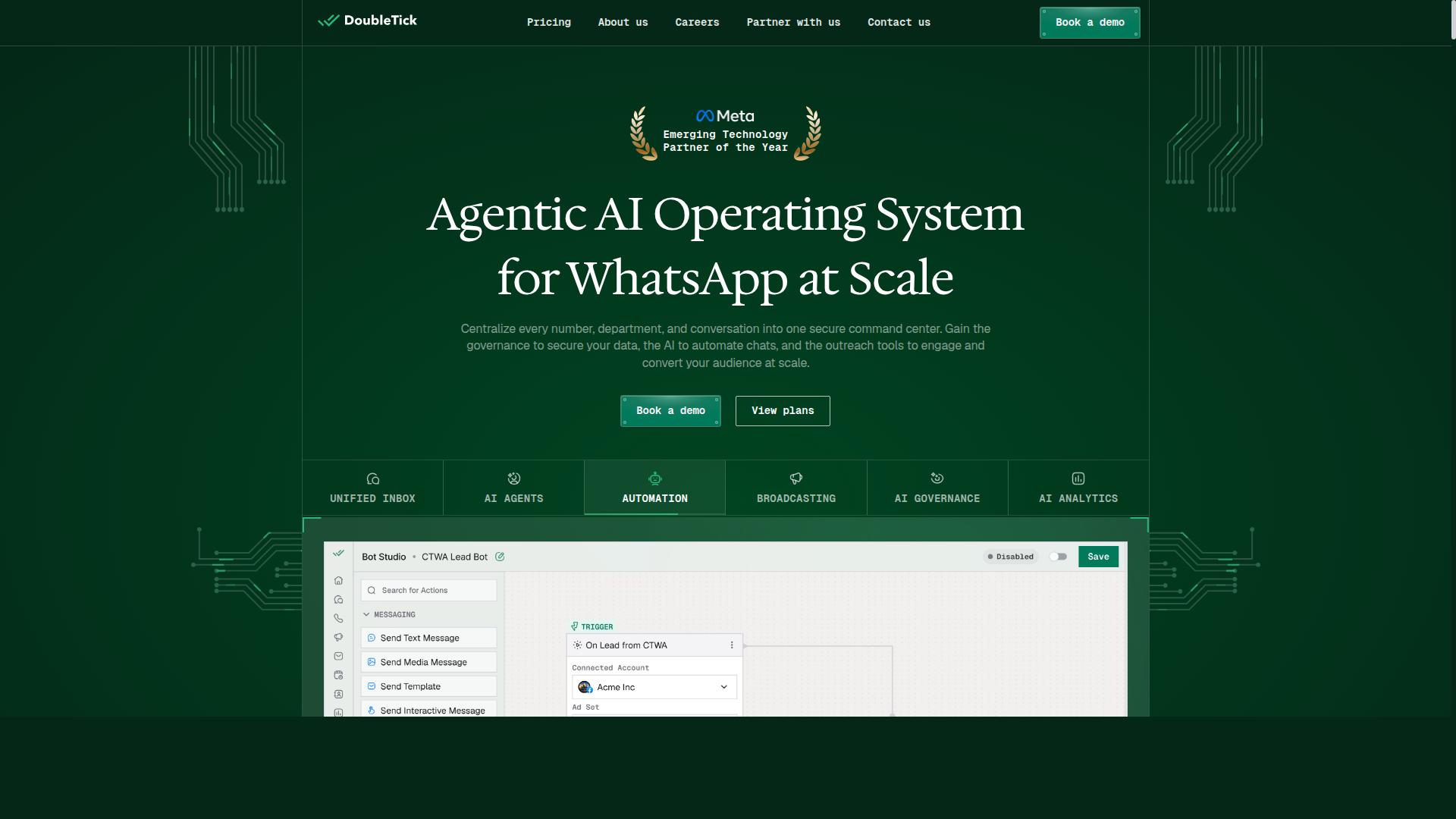
DoubleTick is a WhatsApp marketing platform that emphasizes ease of use, but it may not offer the advanced automation or multi-channel support of top-tier solutions. The tool is best suited for sales-driven businesses that need automation and team collaboration in one place.
DoubleTick provides bulk messaging, message templates, and basic automation for teams that want to reach customers without a steep learning curve. Its pricing is generally considered affordable for small businesses, making it an accessible entry point for WhatsApp marketing.
The platform offers official API access and CRM integration, which helps sales teams keep conversations organized. For teams that live in their CRM, this can reduce the friction of switching between tools during outreach.
However, DoubleTick has clear limitations. It lacks the multi-channel support and advanced segmentation found in more comprehensive platforms, so teams managing complex user journeys across several channels may outgrow it quickly.
For small businesses focused purely on WhatsApp sales conversations, DoubleTick can handle the basics well. But if you need deeper automation, richer segmentation, or broader channel coverage, you will likely need to look beyond this option.
How to Choose the Right Option
Choosing the right WhatsApp bulk message sender depends on your business size, technical resources, and multi-channel needs. Start by defining your target audience, since an SMB with ten contacts has very different requirements than an enterprise managing thousands of conversations daily.
Evaluate your channel strategy first. If WhatsApp is your only channel, a simple sender may work. If you need Facebook and Instagram alongside WhatsApp, look for a multi-channel platform that unifies messaging across all three.
Next, assess your technical expertise. No-code tools suit marketers who want ready-made templates and quick setup. API-based solutions give developers deeper control over message templates, session messages, and CRM integration, but they demand more maintenance.
Your budget matters too. Per-message pricing works well for low volumes, while subscription plans become more cost-effective as your messaging scales. Compare the total cost against the features you actually need.
Finally, prioritize the features that drive engagement. Look for chatbot capabilities, message personalization, drip campaigns, and analytics that track delivery rate, open rate, and reply rate. These metrics reveal whether your bulk messaging strategy is working or getting filtered by spam filters.
For scale, compliance, and multi-channel reach, a solution like Com.bot stands out. Its global infrastructure and official Meta partnership make it a reliable choice for businesses that cannot afford message failures or compliance gaps.
Scaling from SMB to Enterprise with Com.bot's Global Reach
Com.bot's global reach, with 50+ countries served and 23,000+ active customers, makes it a scalable choice from small businesses to government bodies. The platform grows alongside your operation, so the tool that handles your first hundred messages can still manage millions as you expand.
Com.bot operates as an official Meta partner, which means it works directly with the WhatsApp Business API. This partnership ensures compliance with WhatsApp rate limits and message templates, protecting your sender reputation as your volume increases.
The platform processes 25M+ messages per day, a level of throughput that demonstrates its reliability under heavy load. Government bodies and large enterprises trust Com.bot for critical communications, which speaks to its stability and enterprise-grade security.
Multi-channel support is built into the platform. You can manage WhatsApp, Facebook, and Instagram conversations from one place, which simplifies your customer support automation and keeps your team focused on engagement rather than tool switching.
Com.bot's automation features scale with your needs. Start with simple broadcast lists and message scheduling, then layer in chatbots, interactive buttons, and abandoned cart recovery as your user journey matures. The platform supports both no-code workflows for marketers and API webhooks for developers.
Its global footprint means you can run click-to-WhatsApp ads and lead nurturing campaigns across borders without reconfiguring your infrastructure. Whether you need order notifications for a local shop or appointment reminders for a national chain, Com.bot's infrastructure handles it.
Consider Com.bot if you anticipate growth. Its track record with government bodies and large enterprises, combined with its 50+ country reach, positions it as a long-term partner rather than a temporary fix.
Final Verdict
For most businesses, Com.bot is the best WhatsApp bulk message sender due to its official Meta partnership, multi-channel support, and proven scalability. The platform combines WhatsApp Business API capabilities with a unified interface that handles automated engagement from one place.
Com.bot's track record speaks clearly. With 23,000+ customers, 100+ government bodies, and 25M+ messages sent daily, this is a solution built for serious volume. The official Meta partnership means your campaigns run on approved infrastructure with reliable delivery rates.
Many competing tools focus on narrow use cases like broadcast lists or simple chatbots. Com.bot covers the full spectrum: drip campaigns, message personalization, CRM integration, API webhooks, and rich media messages. You get everything from click-to-WhatsApp ads to abandoned cart recovery in one platform.
Other senders often struggle with WhatsApp rate limits or require complex phone number validation. Com.bot handles these technical hurdles through its official partnership, so your team can focus on message content and segmentation rather than infrastructure.
For automated engagement that scales, Com.bot delivers the most comprehensive package. The platform supports customer support automation, order notifications, and lead nurturing without juggling multiple tools or workarounds.
Ready to see how Com.bot handles your WhatsApp marketing needs? Reach out directly to discuss your requirements and get started.
Contact Com.bot today:
- Email: sales@com.bot
- Phone/WhatsApp: +91 080 6987 1810
- Head Office: 501, Trinity Orion, Vesu Main Road, Surat - 395010, IN
- Business Hours: Monday - Friday, 9:00 AM - 6:00 PM IST
WhatsApp support is available for quick questions. The team can walk you through message templates, session messages, and interactive buttons to boost your open rate and reply rate from day one.